
Case study · VR storytelling
5 Years Later: VR storytelling built around memory, presence and testimony.
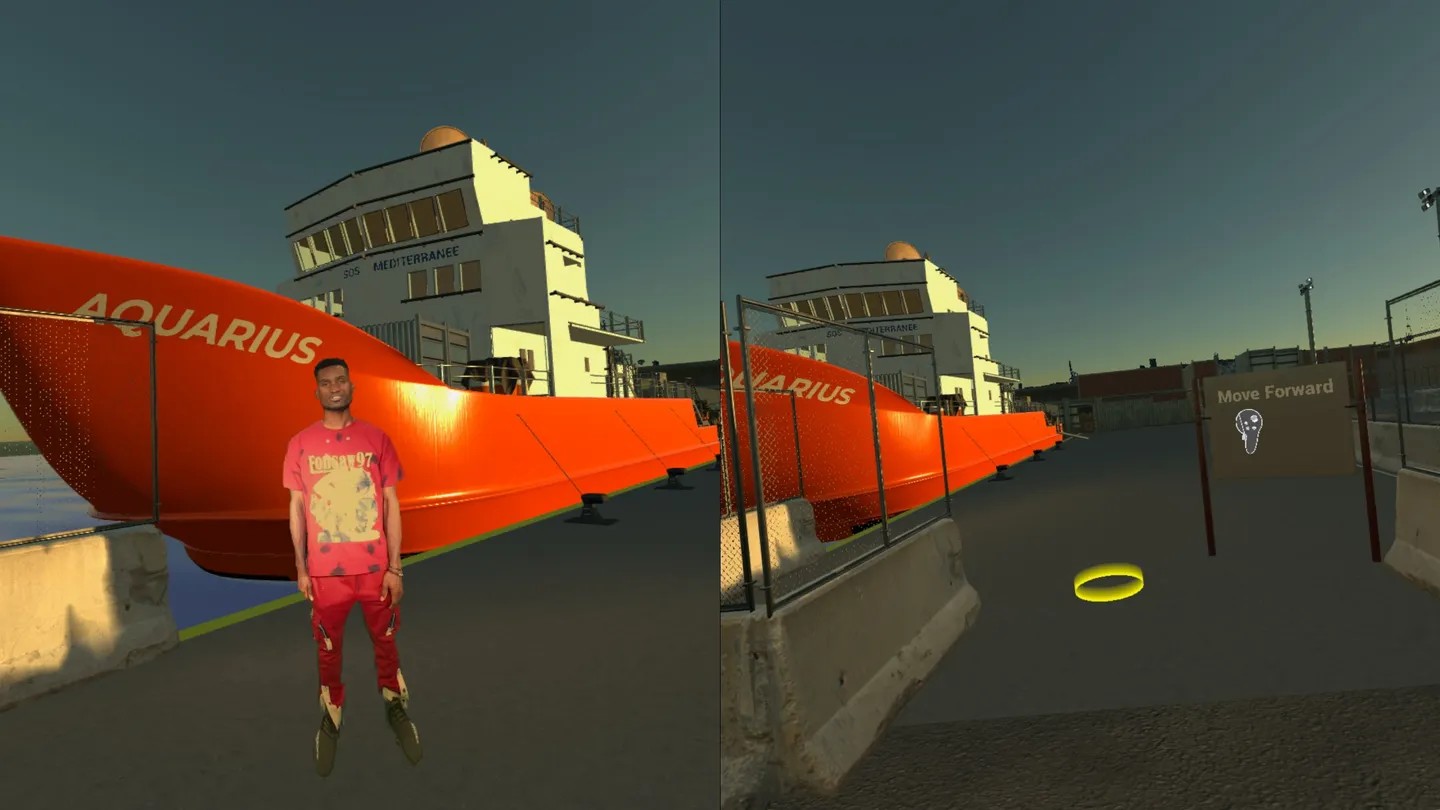
A cinematic VR narrative that combines real-time environments, volumetric material and spatial direction to guide the viewer through an emotional story.
Immersive storytelling needs more than a 360 camera.
5 Years Later treats VR as an emotional staging system: where the viewer stands, what they hear, how a scene opens and how testimony occupies space all become part of the storytelling.
The project brings together documentary material, spatial composition and real-time environments to create a guided experience that feels intimate without losing production control.
What mattered technically
The technical challenge was integrating volumetric video and real-time scenes while maintaining performance, visual mood and a stable presentation flow for public exhibition contexts.
Why it fits TotemXR
It fits TotemXR’s strongest territory: human stories, cinematic direction and technical execution across XR devices and real-time engines.
Media gallery
Open the work larger.
Click any video or image to view it in a larger player.